

Diamond of advertising quality
We have started "three values and six measures" referring the global standard of advertising quality, to face the issues the Japanese digital advertising carries such as ad frauds and brand safety.
What is the
"Diamond of advertising quality"
Diamond of advertising quality stands for three values and six measures as follows.
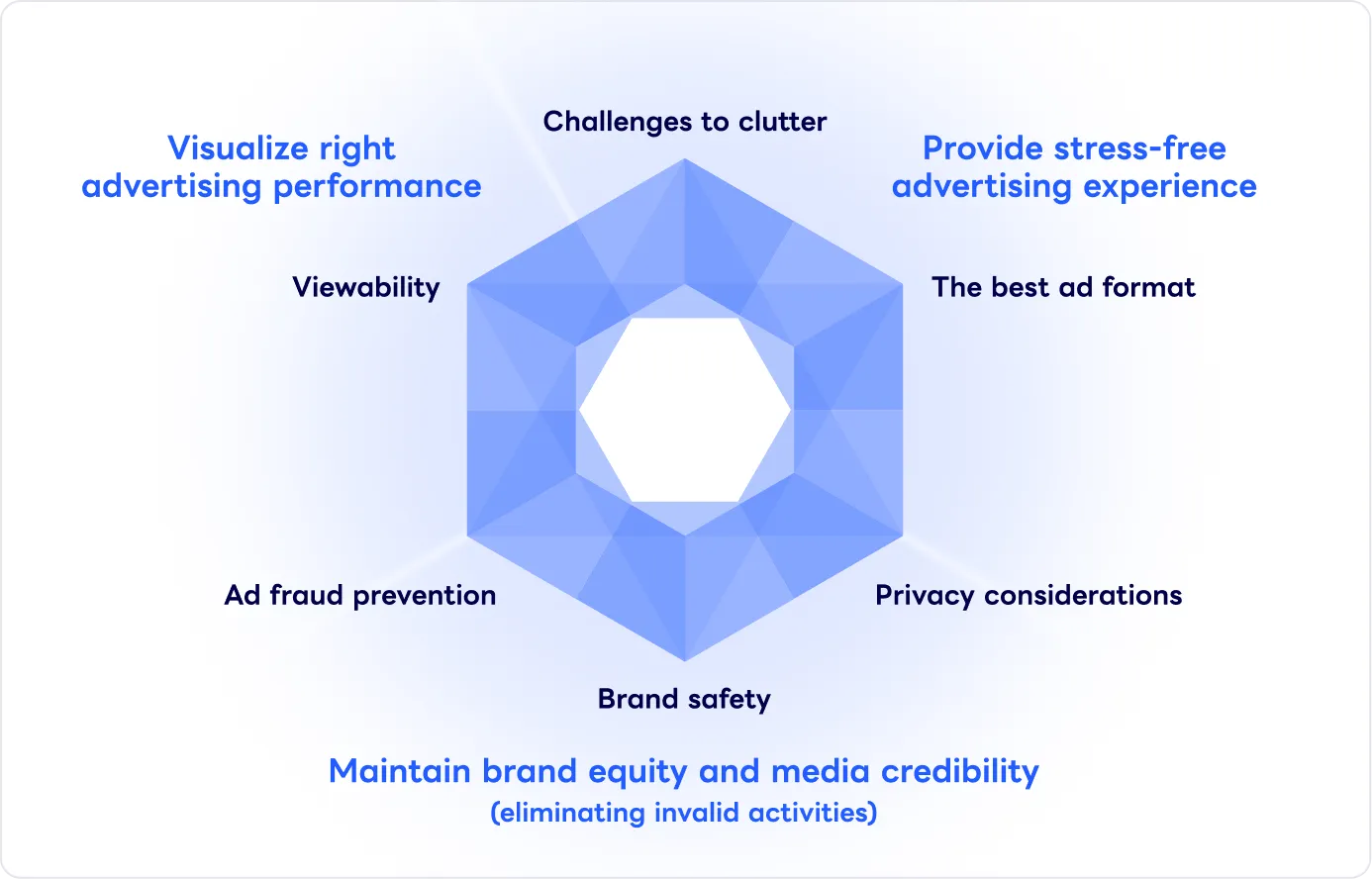
Three values
- Visualize right advertising performance
- Maintain brand equity and media credibility(eliminating invalid activities)
- Provide stress-free advertising experience
Six measures

We will lead the betterment of the ad industry by responding quickly to the issues of this industry, and by building an ad quality standard fit to the Japanese ad industry so advertisers will feel safe advertising with us. We will provide clear information as much as we can about our policies of Diamond of advertising quality and activities for this concept and how it is practiced.
01. Viewability
Background and necessity
Measuring ad viewability is drawing attention these days. We think preparing the environment to measure viewability is important.
Viewability is a concept that indicates that the delivered ad was actually seen by the user. Regardless of whether an ad is seen or not, the impression is counted as 1 when loaded. For this reason, measuring ad viewability is becoming more important.
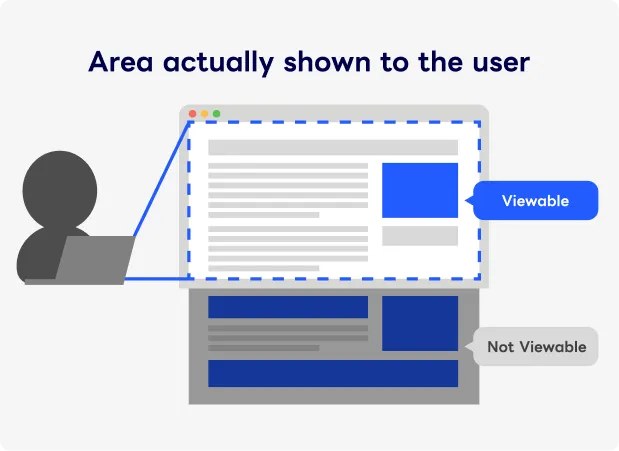
We refer to the viewable measurement guidance provided by JIAA (Japan Interactive Advertising Association).
 ビューアブルインプレッション測定ガイダンス (in Japanese)
We are preparing an environment to measure viewability that meet advertisers' needs.
02. Ad fraud prevention
Background and necessity
Websites that tries to deceive advertising money is an issue of digital advertising. These are defined as ad fraud, and greatest effort to prevent them is expected. We have various countermeasures against such malicious actions.

Ad Traffic Quality Guidelines
We set policies in the guideline about quality of clicks and prohibited actions on ad indicators to the publishers (partners) who places the ads. This guideline clearly prohibits ad frauds.
Ad Traffic Quality Guidelines
Eliminating false clicks
Clicks that aren’t related to legitimate visits and purchases from users, mistaken clicks by users, or clicks that are judged to have been motivated by dishonest intentions, are called invalid clicks.
- Clicks that aren’t related to legitimate visits and purchases from users
- Mistaken clicks by users
- Clicks that are judged to have been motivated by dishonest intentions
For advertising services with click charging, the removal of invalid clicks is an important element in improving traffic quality. Therefore, invalid clicks are not charged for. Our countermeasures against invalid clicks are in continuous operation as part of our effort to improve traffic quality.
* The detailed definition and criteria describing invalid clicks are not displayed in order to prevent the use of this information by malicious users.
03. Brand safety (Appropriate advertising places)
Background and necessity
Delivering ads on ad network can spread the ads to various sites. On the other hand, illegal or false sites may be included in the network. We, from the beginning, are taking actions to eliminate ad places that defame advertisers' brand.
Ad Delivery Guidelines
We set policies in the guideline for the publishers (partners) who place ads. This guideline prohibits ad delivery to websites that contain illegal or false contents as follows.
- Infringe on copyrights, trademarks, and other intellectual property rights
- Discriminate against others or that violate human rights
- Have obscene contents such as adult site
Ad Delivery Guidelines
In addition, we aim to deliver correct information properly to users through the internet by providing our contents as ruled in "LY Corporation Media Statement (available only in Japanese)".
LINEヤフー メディアステートメント
Websites are reviewed before and after the ads are delivered.
Not only by humans, but the system also reviews the websites to eliminate inappropriate websites among huge number of ad-delivering sites.
We strengthen our efforts on brand safety using services of ad verification tool providers. We make the judgements more accurate by the judging skill that we have uniquely developed and by the collaboration with companies that provide judgement solutions as its specialized field.
04. Privacy considerations
Background and necessity
As more data is used, including targeted ads, the need for stronger privacy protections for data users is growing globally. Laws and regulations are becoming more strict in each country.
Targeted ads can decrease users' unpleasant feelings by not delivering unrelated ads. It can prevent infringement of the advertiser's brand. However, a variety of data, including users' private data, is available for targeting nowadays and is causing unpleasantness to the user.
In providing marketing services, We take various actions to prevent infringement of an advertiser's brand caused by unpleasant user experiences caused by data usage and ad delivery.
Advertising Data Usage Guidelines
We sets policies in the guidelines for advertisers when using data in its marketing services. The guidelines clearly state compliance with laws related to data usage and the prohibition of private data use for targeting.
Advertising Data Usage Guidelines
05. The best ad format
Background and necessity
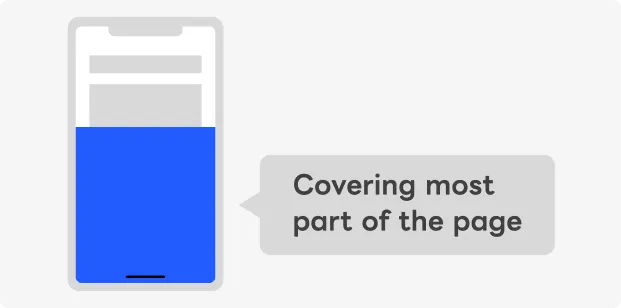
In the digital advertising industry, more rules are made for ad formats that cause bad ad experience such as being bothered when viewing web contents.
We try to avoid such ad formats and prevent bad ad experiences.
Ad Implementation Guidelines
We set policies in the guideline about proper ad implementation for the publishers (partners) who place ads. This guideline prohibits inappropriate implementation such as getting false clicks.
- Implementations that obstruct user behavior
- Implementations that induce users to click unintentionally
Ad Implementation Guidelines
Websites are reviewed after the ads are actually placed.
Not only by humans, but the system also reviews to eliminate inappropriate ad formats out of huge number of ad-delivering websites.
06. Challenges to ad clutter
Background and necessity
When a single page contains multiple ad places (ad clutter), a user may have negative impression that cause to lower ad effects. These ad placements are avoided overseas.
We think the ad experience is very important, and these ad placements are inappropriate.

We set policies in the guideline for the publishers (partners) who place ad. This guideline prohibits multiple ad display on one screen.
Ad Delivery Guidelines
Websites are reviewed after the ads are actually placed.
Not only by humans, but the system also reviews to eliminate inappropriate websites out of huge number of ad-delivering websites.
Other activities
Aiming to provide services that satisfy all stakeholders, including internet users, advertisers, and partners, we are promoting various initiatives to improve transparency and quality.
Diamond of advertising quality (This site is written in Japanese.)